Ricardo Gil SimõesESPTEN

Consultant neurosurgeon specialising in brain, skull base and spine surgery. Evidence-based assessment and decisions shared with every patient.

Brainand spine.

La Princesa University Hospital · Sanitas Valdebebas University Hospital · Madrid

Every surgical decision should rest on the best available evidence and on your circumstances. I explain every option rigorously, including not operating, and we decide together.

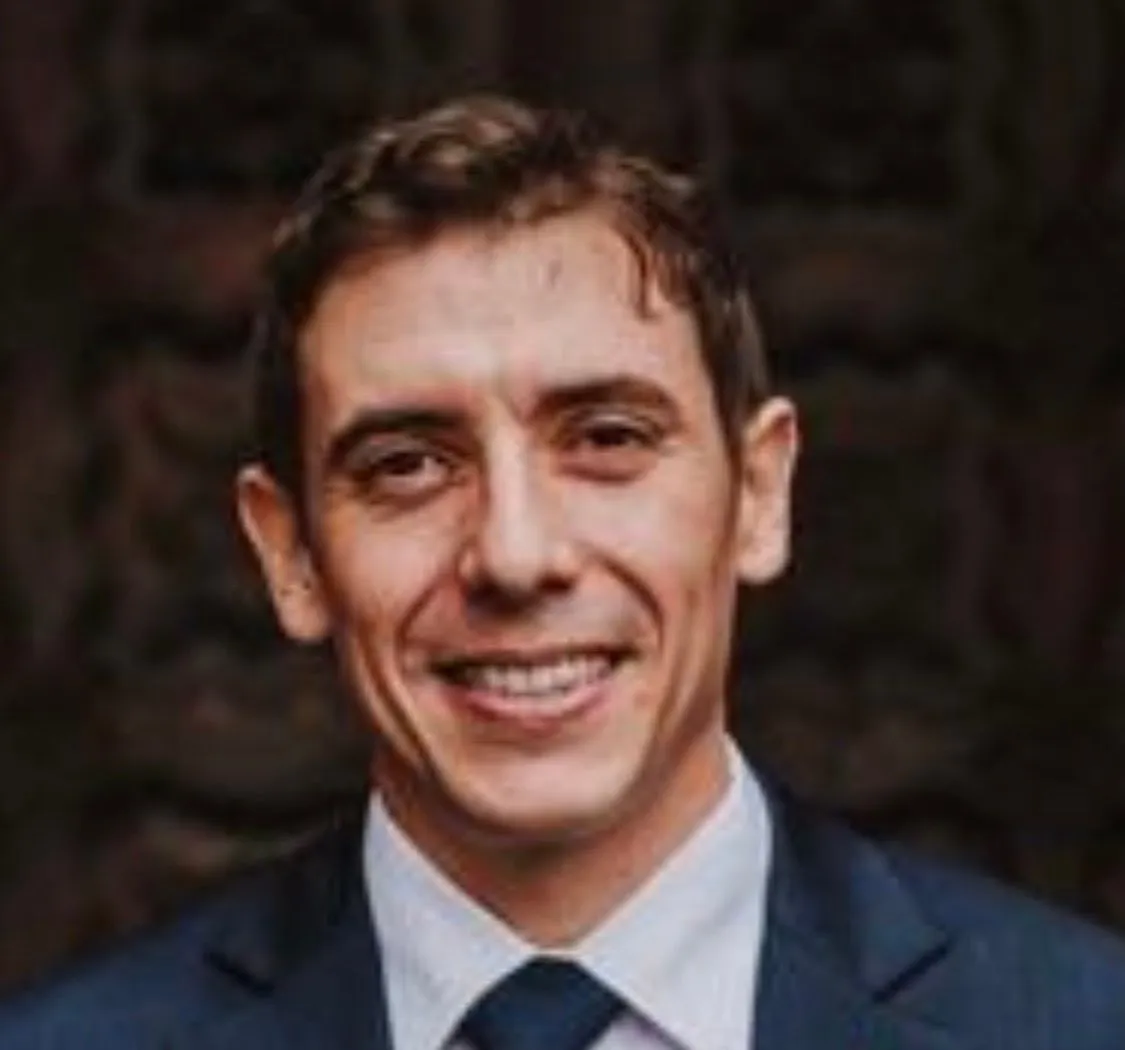
Portrait of Dr Ricardo Gil Simões

Dr Ricardo Gil Simões. Neurosurgeon at La Princesa University Hospital and Sanitas Valdebebas University Hospital, Madrid. Speaks English, Spanish and Portuguese.

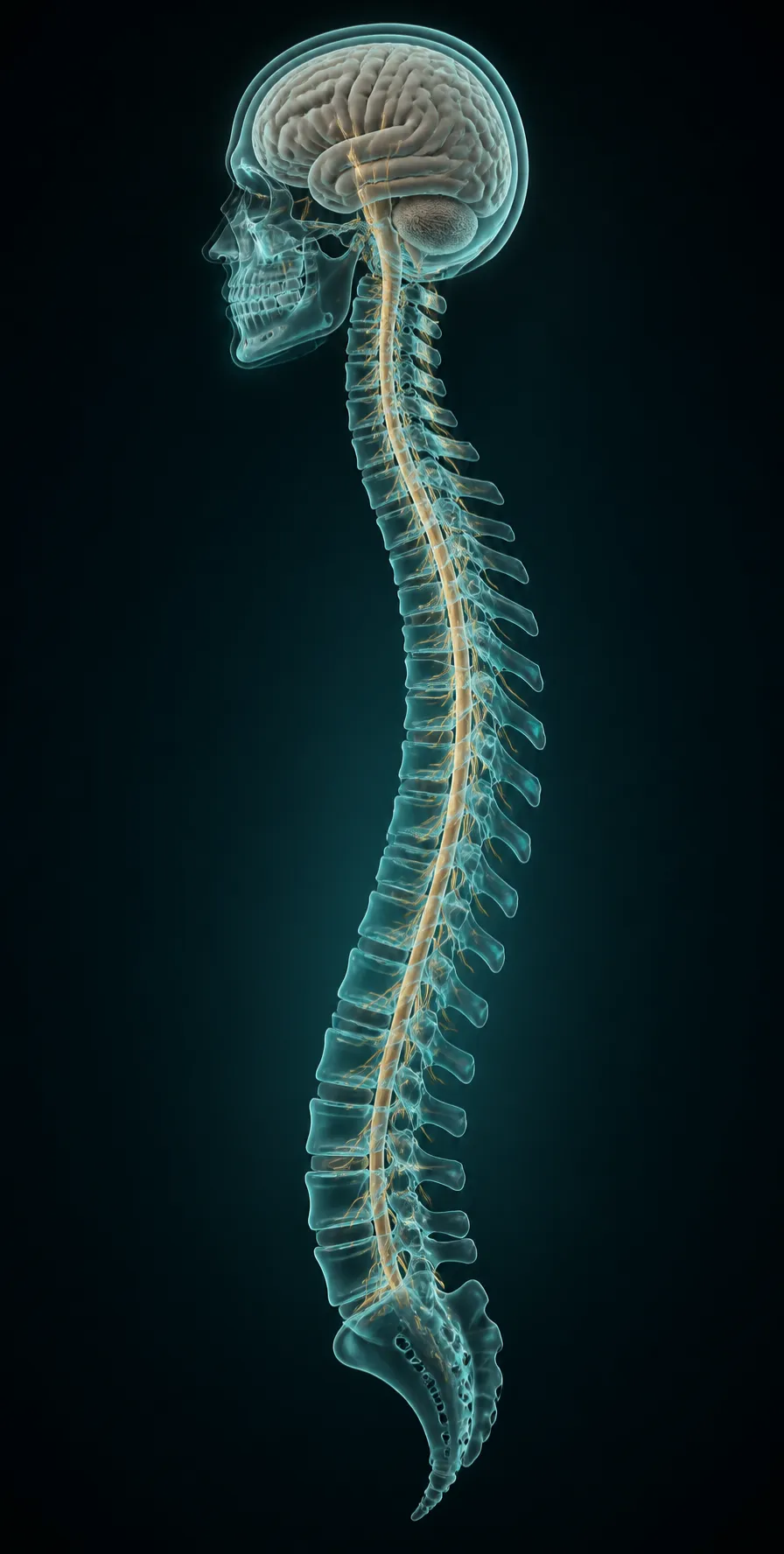
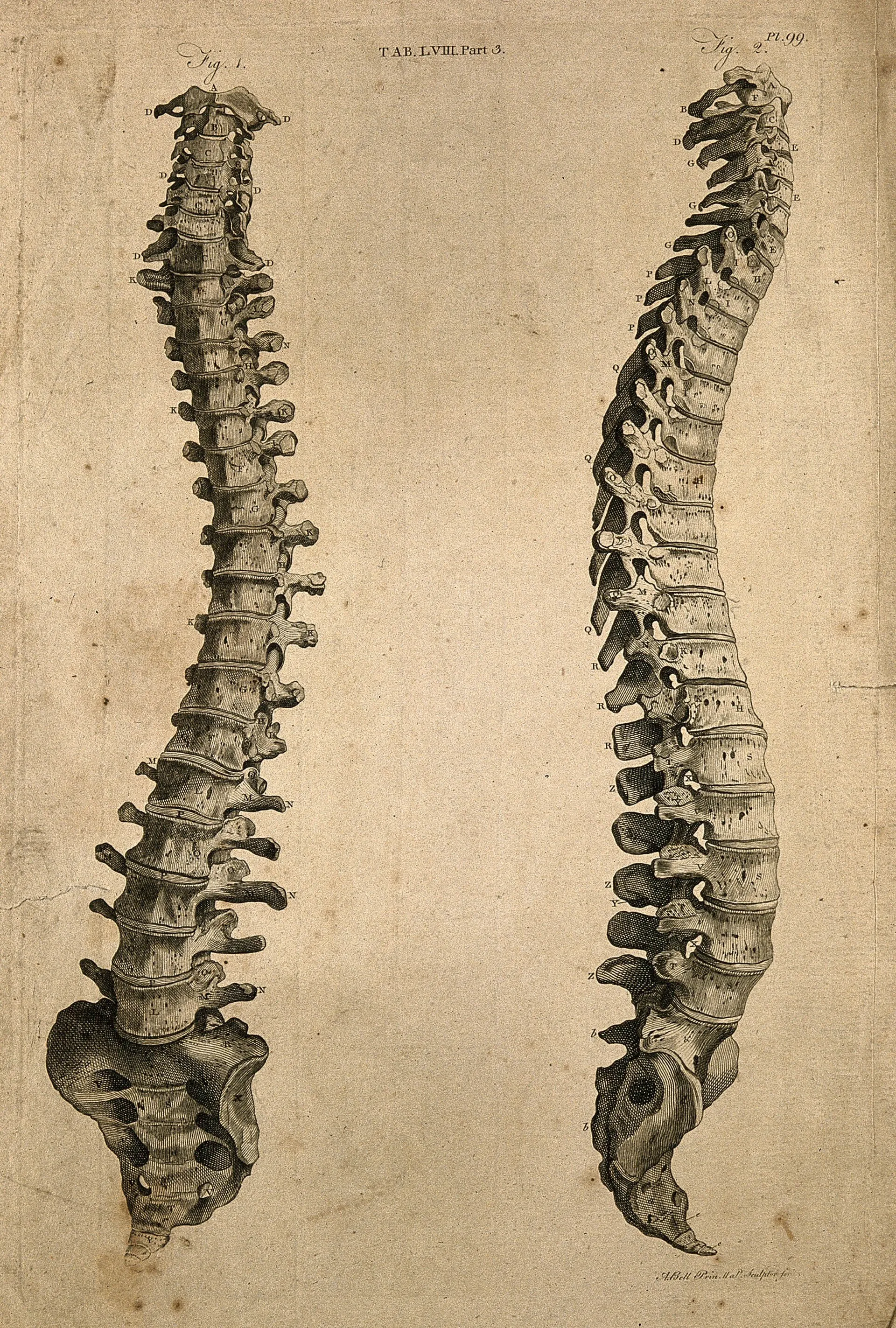
From the brain to the last vertebra

Tap any of the glowing points along the axis, from head to sacrum, or choose an area from the list.

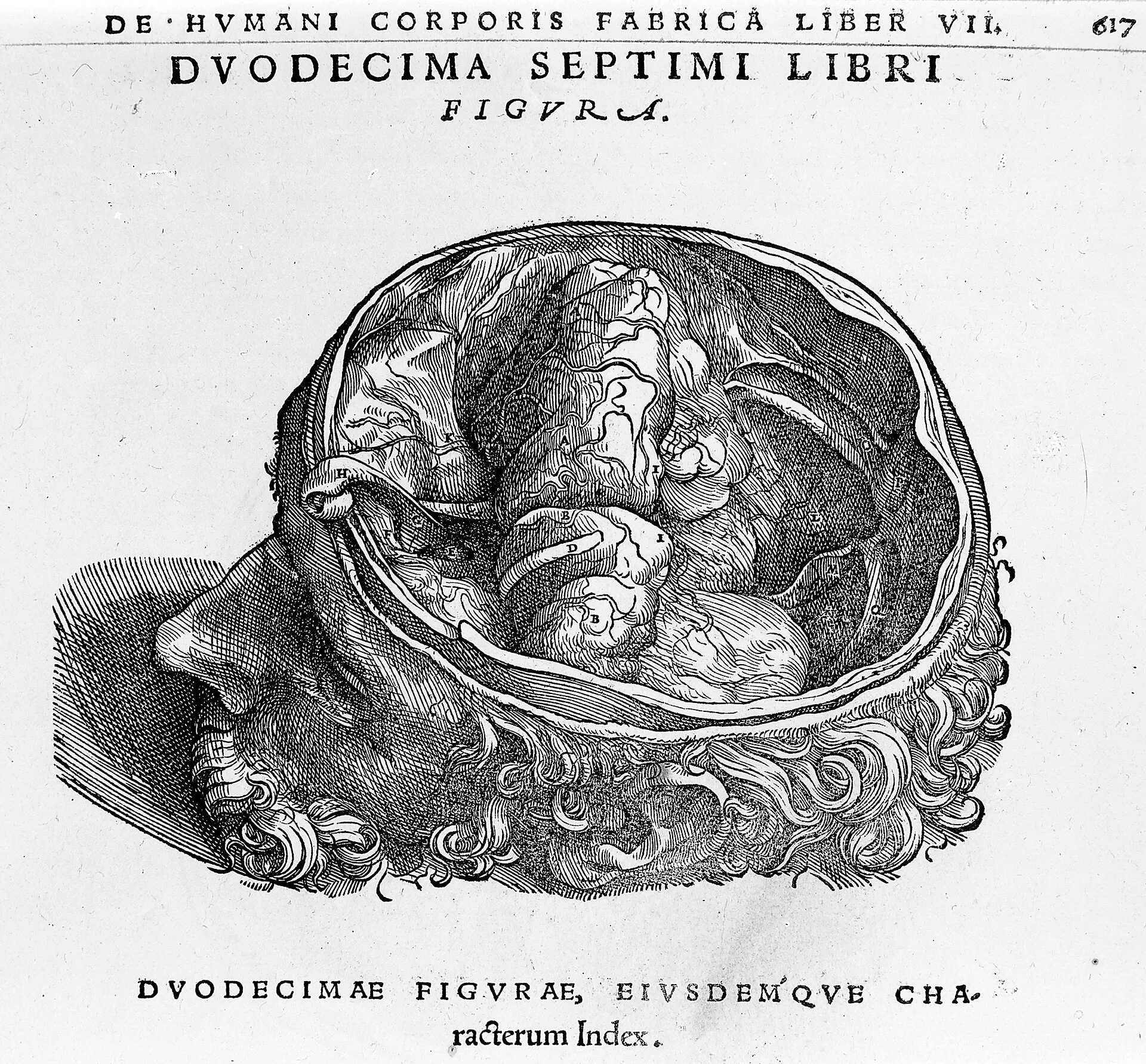
BrainBrain tumours

Brain tumours have been a central part of my work for more than ten years at La Princesa University Hospital. I treat gliomas, including glioblastoma, meningiomas and metastases, always in coordination with neuro-oncology, radiotherapy and neuroradiology. In theatre I use neuronavigation, fluorescence guidance and neurophysiological monitoring to remove as much tumour as safely possible while protecting brain function. I also research new electric-field therapies for glioblastoma. If you have been diagnosed with a brain tumour, I will explain your options calmly and what the evidence says for your case.

Glioblastoma and other gliomas, meningiomas and brain metastases. Surgery guided by neuronavigation and fluorescence, with neurophysiological monitoring.

Skull baseSkull base surgery

The skull base is one of the most delicate areas of the nervous system: cranial nerves, major arteries and the visual pathway lie millimetres apart. I treat craniopharyngiomas, skull base meningiomas, acoustic neuromas, sellar lesions and cerebrospinal fluid leaks, using microsurgery and endoscopic endonasal approaches. I have published on craniopharyngiomas, including work recognised with the Sixto Obrador Award. If you have a skull base lesion, we will review the images together and weigh every alternative, including observation when that is the most prudent course.

Craniopharyngiomas, skull base meningiomas, acoustic neuromas and sellar lesions. Microsurgical and endoscopic endonasal approaches.

Cervical spineNeck and spinal cord

In the neck, the key is to tell apart pain that improves with conservative treatment from compression of the spinal cord, which should not be left to progress. I treat cervical disc herniation, spinal stenosis and myelopathy, as well as fractures and tumours. Depending on the case, surgery is performed from the front, with fusion or disc replacement, or from the back. If you notice tingling or clumsiness in your hands, unsteadiness when walking or pain running down your arm, it is worth an assessment.

Cervical disc herniation, spinal stenosis and myelopathy, spinal fractures and tumours.

Thoracic spineMid-back and thoracic cord

Thoracic spine conditions are less common but demand experience: thoracic disc herniations, often calcified, stenosis, vertebral fractures and spinal tumours. In these operations, image-based planning and neuronavigation add safety. If you have mid-back pain radiating like a belt, or leg symptoms without a clear lumbar cause, it may be worth investigating.

Thoracic disc herniation, thoracic stenosis and myelopathy, vertebral fractures and spinal tumours.

Lumbar spineLower back, sacrum and sciatica

Most sciatica does not need surgery, and if that is your case I will tell you. When surgery is indicated, I use minimally invasive, endoscopic and navigated techniques: microdiscectomy for disc herniation, decompression without fusion whenever possible, and fusion only when there is genuine instability. Before deciding, we review your scans, how long you have had symptoms and how much the pain limits you.

Disc herniation, spinal stenosis, spondylolisthesis and instability. Minimally invasive, endoscopic and navigated surgery — and an honest assessment of when surgery is not needed.

Read the evidence (article in Spanish): Lumbar disc herniation: when is surgery needed?

SportSports neurosurgery

As Head of Medical of the European Football Alliance, I write the league's concussion and return-to-play protocols. I apply the same standards to amateur and professional athletes: concussion, head injury and spinal injury. I assess when it is safe to return to training and competition, working with each athlete's sports physician and physiotherapist.

Concussion, head injury and spinal injury in amateur and professional athletes, and a safe return to play.

Read the evidence (article in Spanish): Concussion: what to do in the first 48 hours

I also treat adult hydrocephalus, traumatic brain injury and cranial neuralgias.

How I work

  1. Clinical assessment

    History, neurological examination and a detailed review of your imaging, in clinic or by video.

  2. Review of the evidence

    What studies show in comparable cases, and with what level of certainty.

  3. Treatment options

    Conservative care, minimally invasive techniques or surgery, with the benefits and risks of each.

  4. Shared decision

    We choose the treatment together. If surgery is not indicated, I will say so clearly.

How to book

In person in Valdebebas

Sanitas Valdebebas University Hospital (Calle de Gustavo Pérez Puig 66, Madrid). Examination, further tests and, when indicated, surgical treatment.

Book an in-person visit

Video consultation

Suited to second opinions when imaging is already available, to patients living outside Madrid or abroad, and to athletes. If your case requires an in-person examination or surgery, a visit is arranged in Valdebebas.

Request a video consultation
Video consultation
Orientation video consultation (30 min)€120
Second opinion with written reportfrom €350
Return-to-play programmefrom €500
Clubs and federationson request

Private fees. Patients insured with Sanitas can also be seen by video or phone through their insurance.

Please do not send reports or clinical data by email or forms: once your appointment is booked, we will share a secure channel.

Background

More than ten years as a consultant neurosurgeon. Trained at La Princesa University Hospital, where I now hold a permanent post, with a clinical fellowship at Southmead Hospital (Bristol) and an observership at UPMC (Pittsburgh). My practice covers neuro-oncological surgery, the skull base and complex spine, alongside residency training.

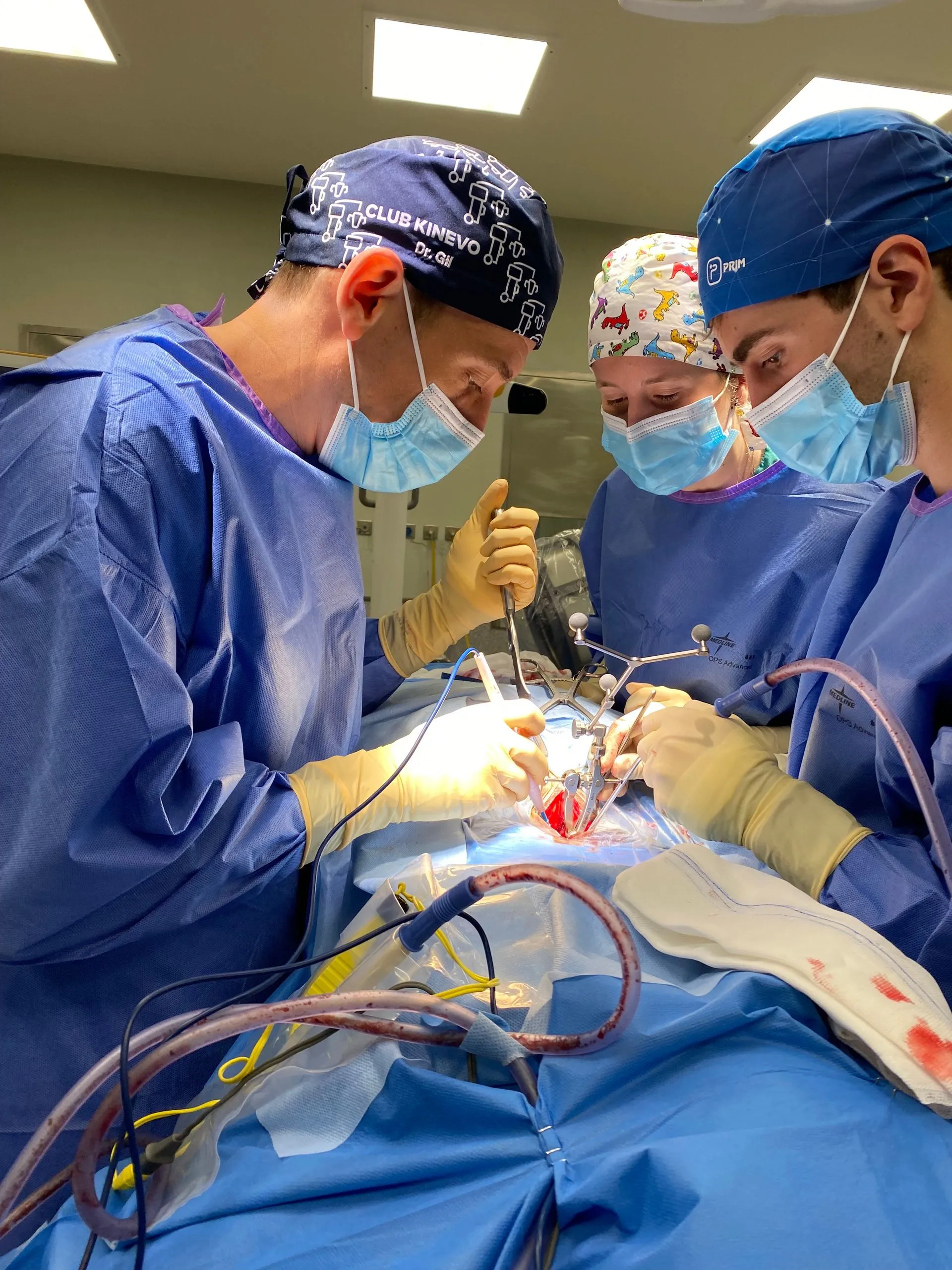
Dr Gil Simões operating with his team
Neurosurgical theatre. Every operation is a team effort with neurophysiology, anaesthesia and nursing.
Consultant
More than 10 years
La Princesa
Consultant since 2015 · permanent post since September 2026
Training
Residency at La Princesa · Clinical fellowship at Southmead, Bristol
Languages
Spanish · Portuguese · English

Researchand teaching

Research, teaching and awards
YearWhatWhereRole
2026European Football AllianceMedical regulations and concussion protocolHead of Medical
2026Precision medicine in glioblastomaUniversidad Autónoma de MadridPhD candidate
2026Piezoelectric surgeryMectronCourse faculty
OngoingDITTCe: implantable electric-field deviceSpanish Ministry of Science and Innovation · ETSI Industriales (UPM)Investigator
Several yearsCadaver surgery for residents · AI and neurosurgeryUniversidad Autónoma de MadridFaculty
Since 2015Neurosurgery residency trainingLa Princesa University HospitalTutor
2013Three-axis topographical model for craniopharyngiomasSpanish Society of NeurosurgerySixto Obrador Award

Full CV and publications (in Spanish)

Evidence: articles

Articles are currently available in Spanish.

All articles (in Spanish)

Long-term brain health

Evidence-based content on brain health, with its level of certainty and without promises. First article (in Spanish): creatine and the brain: what we know about memory and dementia.

See the section

For doctors · Surgical content

In theatre

Annotated surgical technique for healthcare professionals. These are images of real surgery: the videos only play if you select them.

Navigated lumbar fixation with cortical bone trajectory (CBT)Navigation planning, entry point, decortication, screw placement and rod. 2 min.
Skull base microsurgeryMicrosurgical dissection with labelled anatomical landmarks: petrous eminence, tentorium and cranial nerves. 2 min.

If you are a doctor and would like to refer a patient or discuss a case, you can contact me directly.